How to Pick the Right General Contractor for Your Next Home Project
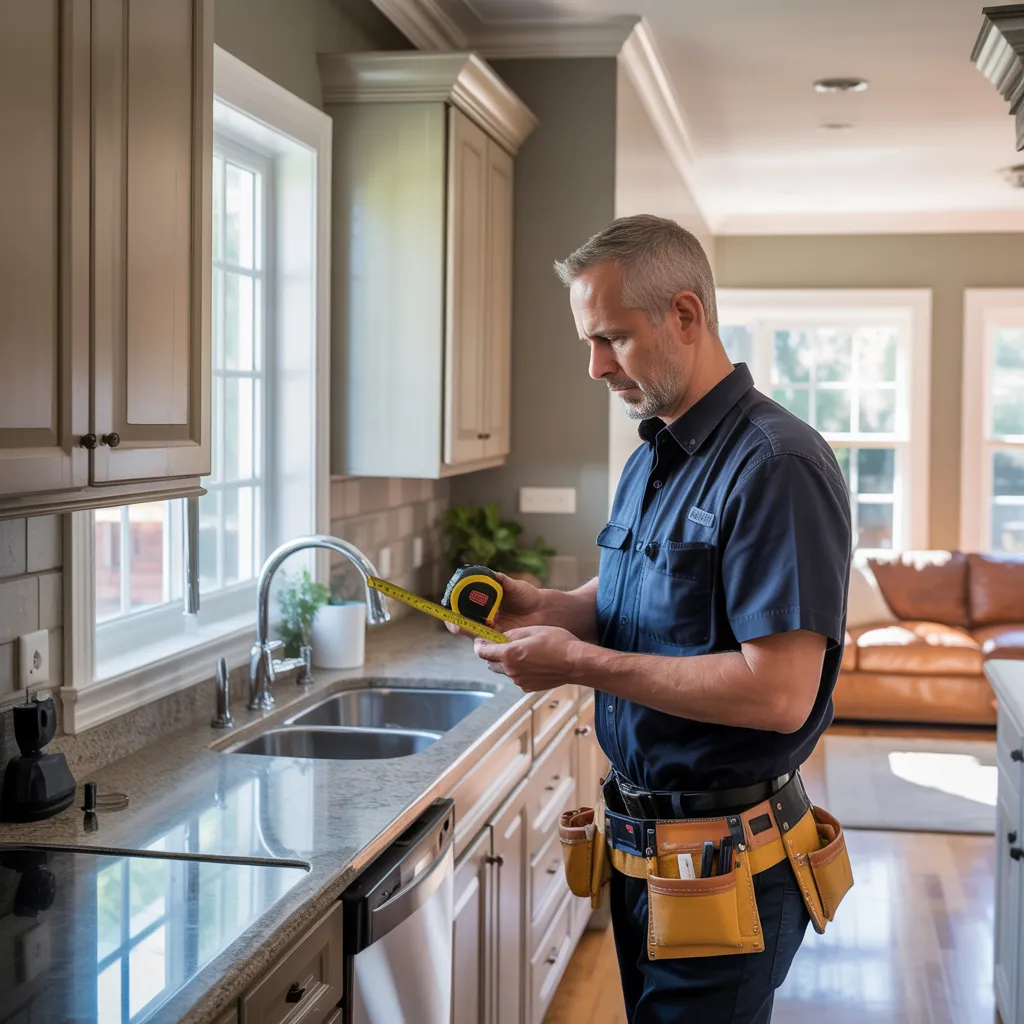
Finding the best construction firm representative for your home project is a important decision. It calls for careful evaluation of numerous factors, such as expertise, qualifications, and ability to communicate. Plenty of property dwellers miss important points, leading to financial losses. Understanding how to examine potential professionals can make a significant difference. By emphasizing essential benchmarks and asking the correct questions, one can navigate this challenging process more successfully. What are the vital steps to ensure a fruitful working relationship?
Strategies for Sidestepping Typical Pitfalls When Selecting a Professional
When picking a general contractor, how can one navigate the wide range of selections without encountering common mistakes? Prospective clients often miss key points that can make for poor results. First, depending only on cost can be deceptive; the lowest bid may signify inferior workmanship or concealed charges. Additionally, overlooking testimonials or web reviews can result in engaging a contractor with a negative history. It is also essential to not decide solely on personality; a friendly contractor may not possess the necessary skills or reliability. Moreover, failing to establish clear communication and expectations can lead to errors and displeasure. Finally, not reviewing contracts thoroughly before signing can result in hidden responsibilities or insufficient defense. By being alert and aware, homeowners can make sounder judgments, ultimately leading to a successful project.
What to Search For in a Contractor's Experience
When assessing a contractor's experience, several key factors prove important. Applicable work history, professional credentials, and an comprehensive collection of completed work represent essential markers of their capabilities. Analyzing these elements can provide valuable insights into the contractor's appropriateness for the particular job at hand.
Pertinent Work Experience
Recognizing a contractor's applicable work history is crucial for ensuring the positive outcome of any construction endeavor. Potential customers should evaluate the contractor's portfolio, concentrating on finished work similar in scope and style to their own. This entails reviewing the quality of workmanship, adherence to timelines, and budget management in previous undertakings. Additionally, it is beneficial to ask regarding the types of materials used and the contractor's familiarity with area construction regulations and regulations. Reviews and recommendations from previous customers can provide insights into the contractor's dependability and ability to communicate. Ultimately, a contractor with substantial relevant experience can navigate challenges successfully, ensuring the project satisfies the homeowner's expectations and standards.
Industry Credentials And Licenses
Certification and licensing act as key indicators of a contractor's competence and expertise in the construction industry. When choosing a general contractor, it is essential to verify that they hold the demanded licenses set by local and state regulations. These licenses show compliance with building codes and safety standards. Moreover, industry certifications, such as those from the National Association of Home Builders or other similar organizations, reflect a contractor's commitment to quality and continuous education. Contractors possessing specialized certifications may also have skills in particular areas, like green building or remodeling. Making sure a contractor has the appropriate credentials not only creates confidence in their abilities but also reduces potential legal and financial risks during the project.
Collection Of Finished Projects
A professional's portfolio featuring completed work functions as a essential instrument for measuring their skills and proficiency. This collection should present a variety of projects, demonstrating adaptability in diverse styles and levels of complexity. When analyzing a portfolio, potential clients need to seek top-quality photos that distinctly illustrate the skill involved. It is furthermore helpful to view jobs that align with the homeowner's unique preferences or design choices. Attention to detail, innovative solutions, and timely execution are important markers of a contractor’s skill. Moreover, customer reviews or project examples included in the portfolio can offer deeper insights into the contractor's reliability and trustworthiness. In the end, a comprehensive portfolio helps homeowners choose wisely for their pending assignments.
Steps to authenticate Your Contractor's Credentials and Licenses
Before bringing on a general contractor, it is necessary to substantiate their qualifications and certifications to ascertain they exceed industry standards. Initiate by reaching out to local licensing boards to confirm that the contractor carries the required licenses for your locale and assignment. Each state imposes its own requirements, so understanding them can avert downstream issues.
Additionally, ask about insurance coverage, encompassing liability and workers' compensation, to guarantee protection against potential accidents or damages. Gather references from previous clients and touch base to assess satisfaction and reliability.
Finally, review any credentials the contractor may possess, as these often demonstrate advanced expertise and adherence to industry best practices. A comprehensive vetting procedure not only guarantees compliance but also builds confidence in the contractor's ability to complete the project successfully.
Why Clear Dialogue Is Vital in Your Contractor Relationship
Essential communication plays a key role in the relationship between contractors and clients, determining the project's success from the outset. Clear dialogue sets expectations, timelines, and budgets, ensuring both parties are aligned on the project's goals. When clients articulate their vision effectively, contractors can provide informed recommendations and solutions, enhancing the overall outcome.
Consistent updates and clear channels of contact facilitate swift resolution of issues as they emerge, decreasing potential delays. Additionally, a contractor who hears and replies to client feedback cultivates trust, which is vital for collaboration.
In addition, productive communication aids in addressing modifications and unforeseen challenges, keeping the project on track. It permits the contractor to adjust strategies based on client input, ensuring contentment throughout the project. Ultimately, emphasizing communication not only solidifies the contractor-client relationship but also significantly contributes to the prosperous accomplishment of the home project.
Essential Questions to Ask Your Contractor in First Meetings
At the start of meetings with a contractor, clients should emphasize comprehending their experience and qualifications. It's required to explore the project timeline and budget to verify harmony with the client's expectations. These questions provide a basis for a thriving collaboration and effective project management.
Experience and Capabilities
Selecting a general contractor requires understanding their professional history and qualifications. Homeowners are advised to inquire about the contractor's experience duration and the kinds of projects completed. Detailed questions about licenses, formal qualifications, and liability coverage are necessary because these confirm adherence to regulations and provide security throughout the project. Moreover, looking at past work through professional portfolios or references can give insight into the contractor's workmanship and dependability. It is also worthwhile to inquire about their knowledge of similar projects, as this can suggest their capacity to manage specific challenges. Ultimately, evaluating a contractor's experience and qualifications strengthens trust and helps homeowners make informed decisions about their home projects.
Project Timeline and Cost
How can homeowners ensure their project stays on schedule financially and temporally when consulting with a general contractor? To stay aligned, they should ask important questions during initial meetings. Homeowners must inquire about the estimated timeline for project completion and any possible setbacks that could arise. Understanding the contractor's approach to schedule management is crucial. Additionally, discussing the budget upfront is important; homeowners should obtain clarification on pricing quotes, payment schedules, and any included contingencies for unforeseen expenses. Asking about previous projects can offer understanding into the contractor's reliability in meeting deadlines and staying within budget. By establishing clear communication regarding timelines and finances, homeowners can build a strong partnership with their contractor, improving the likelihood
Strategies for Evaluating References and Reviewing Reviews
What steps should one take to guarantee a general contractor is consistent? First, it is critical to solicit a list of testimonials from potential in-depth article contractors. A reputable contractor will readily provide names and contact information of previous clients. One should call these references to inquire about their experiences, focusing on aspects such as communication, quality of work, and adherence to timelines.
Furthermore, checking online reviews on services like Google, Yelp, or Angie's List can provide valuable perspectives. It is important to search for patterns in the reviews—consistent approval or criticism can reveal trustworthiness or likely concerns.
Furthermore, examining any complaints filed with local licensing boards or consumer protection agencies can uncover a contractor's history. Finally, asking for recent project photos can help evaluate the quality of their craftsmanship. By taking these measures, one can make a more informed decision when choosing a general contractor.
Understanding Service Provider Rates and Billing Terms
Homeowners must become aware of regular payment terms. Most contractors require a deposit initially, including progress payments based on project milestones. It's necessary to determine these terms before finalizing a contract to circumvent misunderstandings. Besides, homeowners should investigate potential extra charges, such as permits or surprising repairs. Effective communication regarding costs and financial arrangements will help build a transparent working relationship, finally creating a victorious project outcome. Knowing these elements prepares homeowners to choose more wisely when selecting a general contractor.
Often Posed FAQs
How much time Will the Project Take to Complete?
The project timeline generally fluctuates based on scope and complexity. Generally, it may take multiple weeks or months. Elements including weather, availability of materials, and labor resources can significantly impact the project completion schedule.
What Transpires if Surprise Complications Emerge During Construction?
If unexpected issues occur during building, the contractor typically assesses the circumstances, discusses with the homeowner, and suggests solutions. Changes to the schedule and budget may be necessary, ensuring openness throughout the process.
Do I Require Approvals or Inspections for My Project?
Most undertakings require permits along with inspections to confirm compliance with local construction regulations. It is important to engage with a construction contractor who comprehends these requirements, as they can navigate the permit approval process skillfully.
How Do You Administer Subcontractors and Their Payment Arrangements?
A accomplished general contractor manages subcontractors by implementing specific contracts outlining payment terms. They guarantee reliable payments, copyright honest communication, and review subcontractor standards, encouraging a collaborative environment that benefits project completion and optimization.
What Is Your Policy on Project Changes or Enhancements?
The contractor practices a flexible approach to shifting project needs, requiring written records for any upgrades. They affirm lucid communication, assess cost implications, and adjust project timelines accordingly to accommodate the client's evolving needs and preferences.